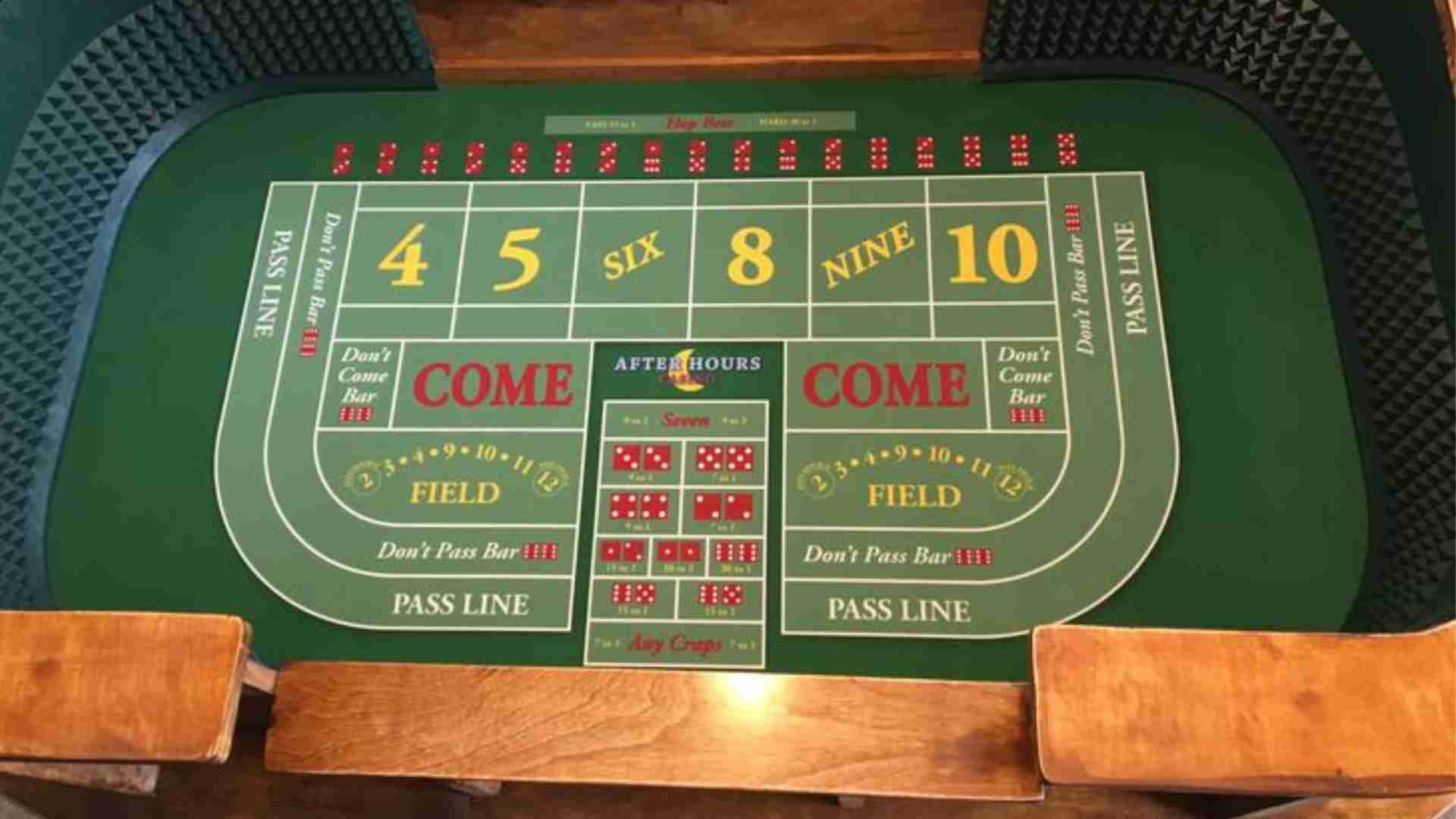
The modern landscape of tabletop gaming has shifted toward experiences that prioritize curiosity, discovery, and long-term planning. Board games that encourage strategic exploration invite players to uncover hidden territories, manage scarce resources, and adapt to unpredictable environments. This dynamic approach to game design ensures that every session feels fresh, challenging participants to think critically while navigating vast, uncharted boards.
The Core Mechanics of Tabletop Discovery
At the heart of any great exploration game lies the thrill of revealing unknown information as the session progresses. Designers often achieve this through modular tile placement, where players manually build the map step by step during their turn. This system keeps the competitive environment fluid and forces participants to constantly evaluate their positioning and resource allocation.
Furthermore, these mechanics ensure that standard formulas or static strategies rarely guarantee success across multiple sessions. Players must remain highly observant and flexible, shifting their tactical priorities as new regions and challenges emerge from the fog of war. Balancing active expansion with defensive consolidation represents the true strategic puzzle of these immersive systems.
How Hidden Information Shapes Player Choices
The presence of hidden components dramatically alters how individuals interact around the gaming table. When a map is not fully visible from the opening turn, calculated risk-taking becomes a primary driver of the overall player experience. Gamers must weigh the immediate benefits of gathering known assets against the potential long-term rewards of ventures into the unknown.
This balancing act fosters an environment where cognitive flexibility and predictive analytical thinking are highly rewarded. Successful enthusiasts learn to read subtle environmental clues built into the design, minimizing random chance through careful contingency planning. Embracing this tension between security and discovery is what elevates tabletop adventures into truly memorable intellectual pursuits.
Integrating Diverse Elements for Ultimate Replayability
Many contemporary tabletop hits combine exploration mechanics with deep economic or narrative elements to maximize engagement. For instance, discovering a new territory might unlock exclusive trade options or trigger specific story events that alter the global ruleset. This integration keeps everyone fully invested, as every discovery carries significant mechanical consequences for the entire group.
For individuals who enjoy exploring different strategic avenues in digital spaces, visiting reliable hubs like Link M88 offers an alternative way to experience tactical variety. However, the physical presence of cardboard maps and tangible components provides a unique layer of shared camaraderie that remains difficult to replicate online. A well-designed exploration game serves as an incredible centerpiece for any weekend social gathering.
Building a Versatile Collection Around Exploration Titles
When selecting games focused on discovery for a home library, it is wise to consider the preferred complexity level of your regular group. Some titles feature straightforward rules that allow families to enjoy casual map-building adventures within an hour. Other heavy strategy games require dedicated hours, offering asymmetrical player powers and deep geopolitical simulations that reward experienced hobbyists.
Investing in editions with high-quality components and clear visual design significantly enhances the overall experience of charting new territories. Distinct artwork and sturdy pieces make tracking expansive networks much more intuitive and enjoyable for everyone involved. Ultimately, adding these dynamic titles to your collection ensures countless hours of engaging, analytical fun for years to come.