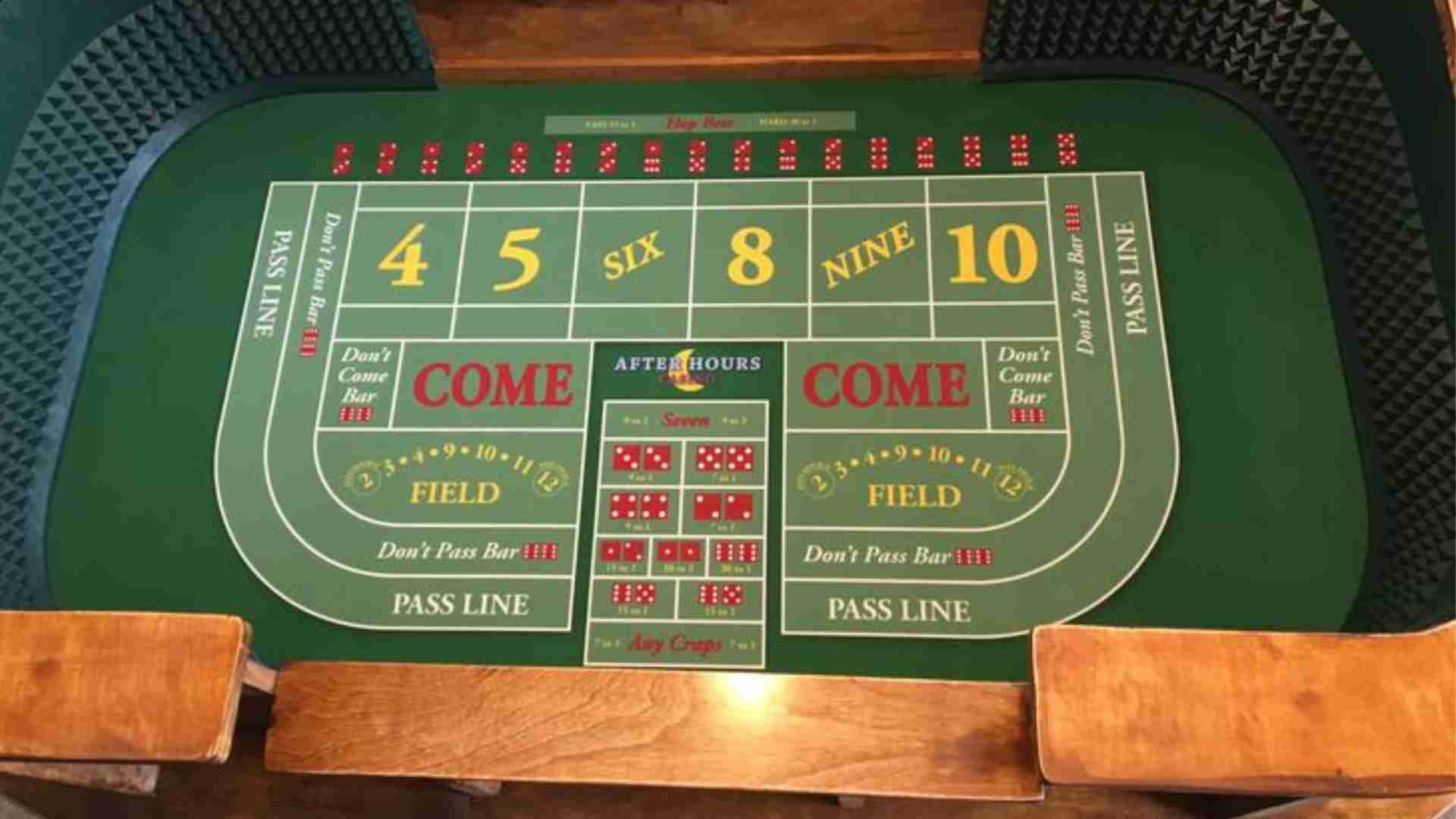
Understanding the mathematical concept of randomness can be challenging for students when presented solely through traditional textbook formulas. Educational games offer a dynamic alternative, transforming abstract statistical theories into interactive experiences that clarify how chance operates in real time. By engaging with these tools, learners can develop a more intuitive grasp of probability and unpredictable outcomes.
Visualizing Chance Through Digital Simulations
Digital platforms have revolutionized how complex mathematical events are visualized in contemporary classrooms. These interactive applications allow students to run thousands of virtual experiments instantly, displaying immediate data trends that explain statistical fluctuations clearly. Seeing these patterns unfold helps dispel common misconceptions about luck and predictability.
Many modern platforms utilize specialized algorithms to ensure fair outcomes and replicate true mathematical uncertainty. Exploring these digital tools provides a safe environment for students to analyze how random number generators behave under different variables. Utilizing a reliable educational portal like Link M88 Mansion can help learners observe statistical models in action and build practical critical thinking skills.
Traditional Tabletop Systems and Empirical Play
Classic tabletop activities remain highly effective tools for introducing fundamental statistical principles to younger audiences. Rolling dice, drawing cards, and spinning wheels provide tactile experiences that connect physical actions directly to mathematical outcomes. These physical interactions help students calculate simple independent events with greater clarity.
Educators often use these hands-on activities to demonstrate the law of large numbers in structured classroom environments. By recording individual results over multiple rounds, students quickly notice how short-term variance eventually gives way to long-term mathematical averages. This collaborative process turns a simple group pastime into a profound lesson in risk assessment.
Strategic Thinking and Real-World Risk Assessment
Integrating randomized mechanics into educational scenarios encourages participants to formulate adaptable strategies based on changing odds. Rather than relying on static solutions, players must constantly assess moving variables and predict the likelihood of future outcomes. This continuous mental adjustment sharpens cognitive flexibility and trains the mind to remain calm under uncertainty.
Understanding how random elements function enables students to evaluate potential risks more logically in everyday life. By analyzing the balance between luck and choice within a structured game, learners gain valuable insights into real-world probability systems. These interactive lessons establish a solid foundation for advanced studies in data science and economics.
Developing Analytical Minds for Modern Challenges
The core objective of utilizing games in statistical education extends far beyond simple classroom entertainment. Developing a strong grasp of mathematical uncertainty actively shapes how the human brain processes complex choices in daily life. This foundational knowledge helps individuals evaluate risks more logically and avoid emotional biases during critical moments.
Regular exposure to randomized challenges fosters cognitive flexibility and enhances long-term problem-solving capabilities across various academic disciplines. Ultimately, these well-designed educational exercises empower learners to navigate an inherently unpredictable world with steady confidence.