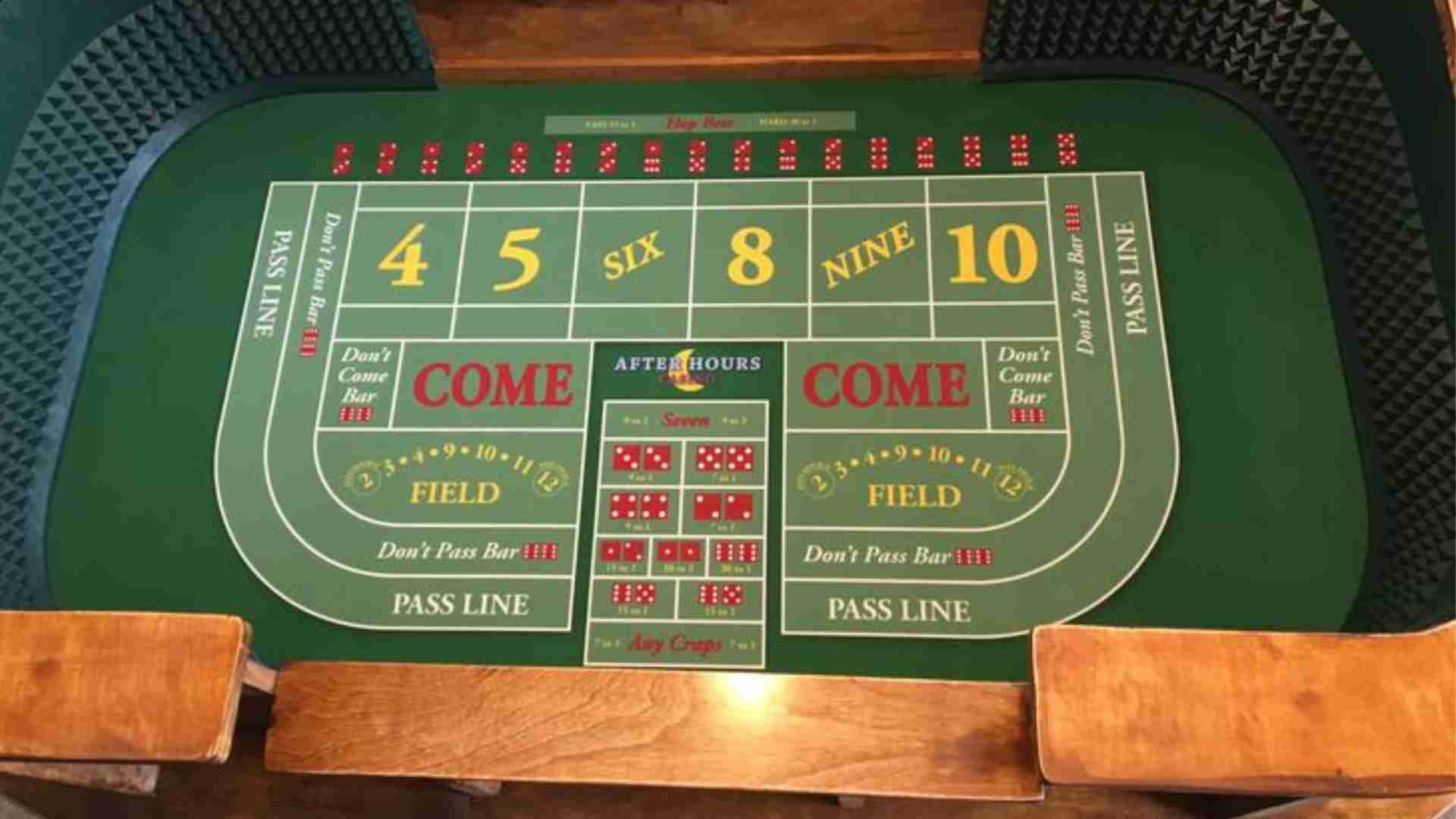
Sic Bo is a historic casino game that challenges players to make sense of the erratic movement of three standard dice. While the fast-paced nature of the table layout often encourages impulsive decisions, mastering the game requires a deliberate shift toward cognitive discipline and structured observation. By approaching each roll with an analytical framework, participants can transform a simple game of chance into a deeply engaging exercise in mathematical reality.
Decoupling Randomness from Pattern Logic
Many newcomers fall into the psychological trap of searching for visible streaks or hot numbers on the digital history board. Practical thinking requires you to acknowledge that every single shake of the container is an entirely independent event unaffected by previous outcomes. Understanding this mathematical truth prevents you from wasting energy on common betting fallacies that promise unrealistic results.
When you stop chasing imaginary trends, you can focus on the literal composition of the board layout. This mental clarity allows you to treat each round as a clean slate rather than a continuation of a past sequence. Consequently, your decision-making process becomes much more stable and anchored in logic.
Evaluating Probabilities Objectively
A practical student of the game prioritizes options that offer the highest statistical likelihood of occurrence over volatile, long-shot choices. Focusing on even-money options like Small and Big provides a reliable foundation because these sectors cover almost half of the total potential combinations. This measured methodology keeps variance low and extends the duration of your educational sessions.
For individuals seeking a reliable environment to observe these dynamic dice interactions, checking an established platform like Link M88 Mansion can offer useful live-dealer insights. Studying how different totals manifest in real time reinforces your theoretical understanding of house advantages. It helps you distinguish between high-risk propositions and sustainable wagering habits.
Developing a Balanced Session Blueprint
Practical thinking naturally extends to how you handle your gaming capital before even approaching the table area. A structured plan involves allocating specific unit sizes per round to ensure that sudden mathematical downswings do not compromise your entire budget. Setting clear boundaries ahead of time helps remove emotional reactions from the equation entirely.
When you treat your bankroll as a tool for structured entertainment rather than a tool for quick gains, your general perspective changes. You become less vulnerable to the temptation of doubling down after an unfavorable roll. This protective mindset is what separates disciplined observers from impulsive participants over the long term.
Cultivating Analytical Table Habits
Accelerating your grasp of the mechanics is best achieved through low-pressure practice on digital simulation versions. Free platforms allow you to test your layout navigation skills at a comfortable pace without any financial pressure. This deliberate training builds natural familiarity with the diverse payout ratios printed across the board.
Ultimately, learning this classic dice game effectively comes down to patience and realistic expectations. By combining solid mathematical knowledge with rigid self-discipline, you establish a thoroughly rewarding approach to the table. Practical thinking ensures that you enjoy the inherent thrill of the roll while remaining firmly in control of your choices.